Mock exams matter because Birmingham-area preparation often feels manageable at home right up until the pace and pressure of a full paper are introduced.
11+ Mock Exams · Birmingham
11+ Mock Exams in Birmingham. £5. Real format.
£5 per sitting
GL Assessment · Auto-marked · Teacher feedback · Weekends
Birmingham grammar school format. Four timed sections. Marked on the day by section, with written teacher feedback on where marks are being lost and what to focus on next.
- GL Assessment format. The exact four-section format used by King Edward's and Birmingham grammar schools.
- Auto-marked by section. Maths, English, verbal and non-verbal scored separately so you see exactly where marks are going.
- Written teacher feedback. Not a score and nothing else — specific notes on weaknesses and next steps.
- Weekend slots. Saturday and Sunday mornings at our Smethwick base.
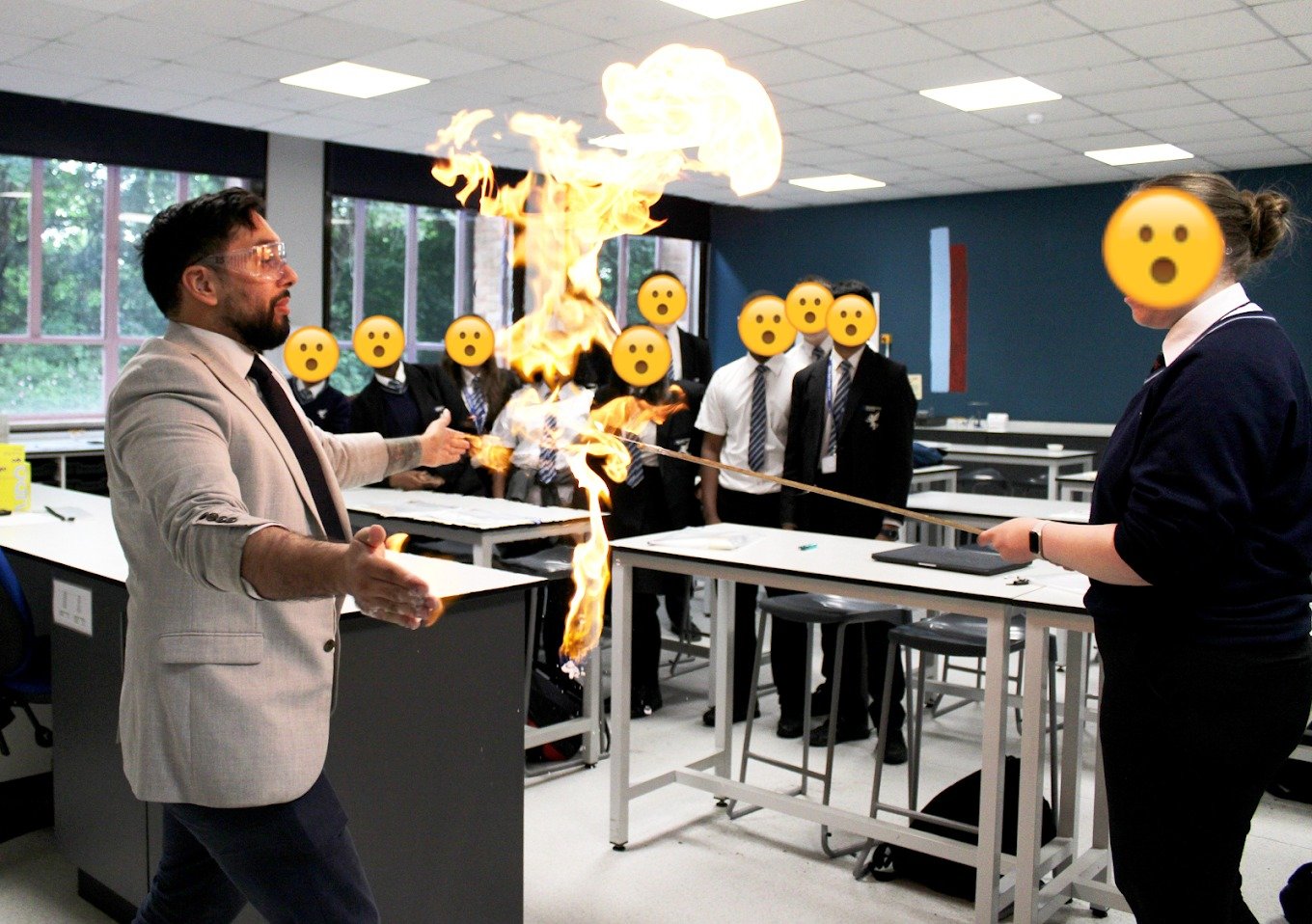

Kevin Johal · Qualified Secondary Teacher · MEd Educational Technology
Leads exam technique and next-step planning after each mock sitting.
What the result tells you
- Which section is weakest: maths, English, verbal or non-verbal?
- Is the child close to grammar school standard or still some way off?
- Are timing issues the problem — or content gaps?
- What should the next preparation block focus on?
🏫 Grammar-school readiness
🗺️ Birmingham and West Midlands
📘 English
➗ Maths
🔤 Verbal reasoning
🧩 Non-verbal reasoning
📈 Next-step planning
Why Regional Mock Exams Matter
A broader mock helps when school decisions are part of the question.
Families searching for 11 plus mock exams in Birmingham are usually trying to judge more than one thing at once. They want to know whether the child is coping with selective-paper difficulty, whether the current school route still looks sensible, and whether another block of preparation will genuinely move the score.
The child may be closer than expected and need polishing, or still need a longer run-up before a highly selective route looks realistic.
A well-timed mock can prevent months of random papers by showing exactly which subjects, sections and habits need attention first.
What A Good Mock Reveals
The useful part is not the score alone. It is the pattern underneath it.
Two children can post similar overall results while needing completely different next steps. That is why a strong 11+ mock exam should reveal where marks are being lost, whether pressure changes accuracy and whether the child currently looks robust enough across the full exam-style experience.
01
Paper stamina
The child may begin strongly and fade later, which matters if the real issue is concentration across a full sitting rather than knowledge.
02
Pressure on English
Some children understand texts well in tutoring sessions but misread or over-rush once comprehension is timed and the paper feels high stakes.
03
Maths under speed
The mock can show whether arithmetic and problem solving stay accurate when questions must be processed quickly without long pauses.
04
Reasoning fit
Verbal and non-verbal reasoning can look manageable in isolation, then become much less secure once they sit alongside English and maths in one session.
05
Consistency across sections
One strong section is not enough. Regional mock exams help show whether the child can hold together a balanced performance across the paper.
06
Best next move
The real goal is deciding what comes next: more tuition, more timed practice, a narrower school focus or a bigger reset in the preparation plan.
After The Mock
The result should help you plan, not just worry.
A mock exam is only valuable if the family leaves with something practical. That might be confirmation that the child is broadly on track, or it might be clear evidence that reasoning, comprehension or timing now needs the next push. Without that kind of follow-up planning, the mock becomes an experience rather than a tool.
Make the follow-up more useful than another score.
Ask which question types need teaching, which need independent practice and which mainly exposed a timing difficulty. For a closer look at answer-sheet alignment and reviewing skipped questions, read the Smethwick mock-test guide.
- A clearer sense of whether the current school list still feels evidence-based rather than hope-based.
- Section-level feedback showing whether the child needs stronger English, maths, verbal reasoning or non-verbal reasoning next.
- A better view of whether more tuition will genuinely help or whether the issue is now exam discipline and timed performance.
- More confidence in how to use the remaining preparation window rather than filling it with unfocused papers.
Teacher-Led Review
Qualified teachers interpreting the bigger picture.
Regional 11+ searches often come from families balancing school ambition, time pressure and uncertainty. That is exactly why qualified teacher-led feedback matters more than a bare score sheet.
Exam Structure and Planning
Kevin Johal
Kevin supports the structured interpretation of the result, especially where pace, pressure and exam-style discipline are the main reasons performance is dipping.

Primary Foundations
Serena Johal
Serena helps families judge whether the child still needs stronger KS2 reading, writing, vocabulary or maths foundations beneath the 11+ work.
How Families Use It
Think of the mock as a checkpoint, not the end product.
Most families get the best value when the mock sits inside a simple process: benchmark first, review properly second, then change the plan while there is still enough time for the changes to matter.
1
Book a realistic benchmark
Use the mock when you want an honest picture of current readiness, not just another set of practice questions.
2
Review the section breakdown
Look closely at where accuracy drops, where timing changes the quality of work, and which parts of the paper feel least secure.
3
Adjust the next preparation block
That may mean targeted tutoring, a more realistic school strategy, or more deliberate timed practice before the next mock or final exam.
FAQ
Questions parents usually ask before booking.
These are the common concerns from families considering mock exams across Birmingham and the wider West Midlands.
Are Birmingham 11+ mock exams the same as the real grammar school test?
No. The aim is not to reproduce every real paper perfectly. The aim is to reflect the style, timing and pressure closely enough to reveal current readiness.
How many 11+ mock exams should a child sit?
Most children benefit from more than one if there is enough time. One establishes the baseline and another later mock shows whether the plan has improved performance.
Can an 11+ mock exam show whether more tuition is needed?
Yes. A mock is often the quickest way to see whether the child needs more help in content areas or whether the main weakness is now exam timing and composure.
What should parents get back after a mock exam?
More than a score. The useful outcome is understanding strengths, weak sections, timing issues and what the next preparation block should focus on.
Book a Birmingham 11+ Mock Exam — £5
Weekend morning slots at our Smethwick base. Easily reached from across Birmingham. We'll confirm within 24 hours and send payment details.
Practical guide · Updated
Raw marks and standardised scores answer different questions
A practice percentage shows performance on that particular paper. It should not be presented as an official standardised entrance score or a guaranteed prediction of admission.
A practical example
Compare two fictional papers of different difficulty. Scoring 70% on each does not establish equal performance relative to the groups who sat them. Look at the skills tested, unanswered questions and conditions before drawing a conclusion.
Ask a mock provider how any reported score is calculated and what comparison group, if any, is used. Use results to choose teaching priorities. Admission depends on the relevant school’s current arrangements, not a tutor’s informal conversion table; consult the official guidance for the correct cohort.
Compare mock results only after checking the conditions
Before comparing two mock totals, record the provider, question mix, timing, scoring method and whether any support was used. Different raw totals may not be directly comparable, especially when the papers have different demands.
Use the item-level review to identify a repeated skill gap instead. A child who repeatedly misreads comparison language has a clearer teaching target than one described only as “five marks down”. Keep commercial practice scores separate from an official admissions score or a promise of a grammar-school place.
£5. Birmingham grammar school format. Weekends.
Book using the form above or call 07909 274901 to discuss availability.